Red Light Therapy in Pittsburgh: Benefits & What to Expect
Red Light Therapy: What It Is, How It Works and What to Expect
Your body is constantly working to keep up with exercise, stress, long workdays and the demands of everyday life. Red light therapy offers a simple, noninvasive way to add focused recovery time to your routine—without strenuous activity, extreme temperatures or a lengthy appointment.
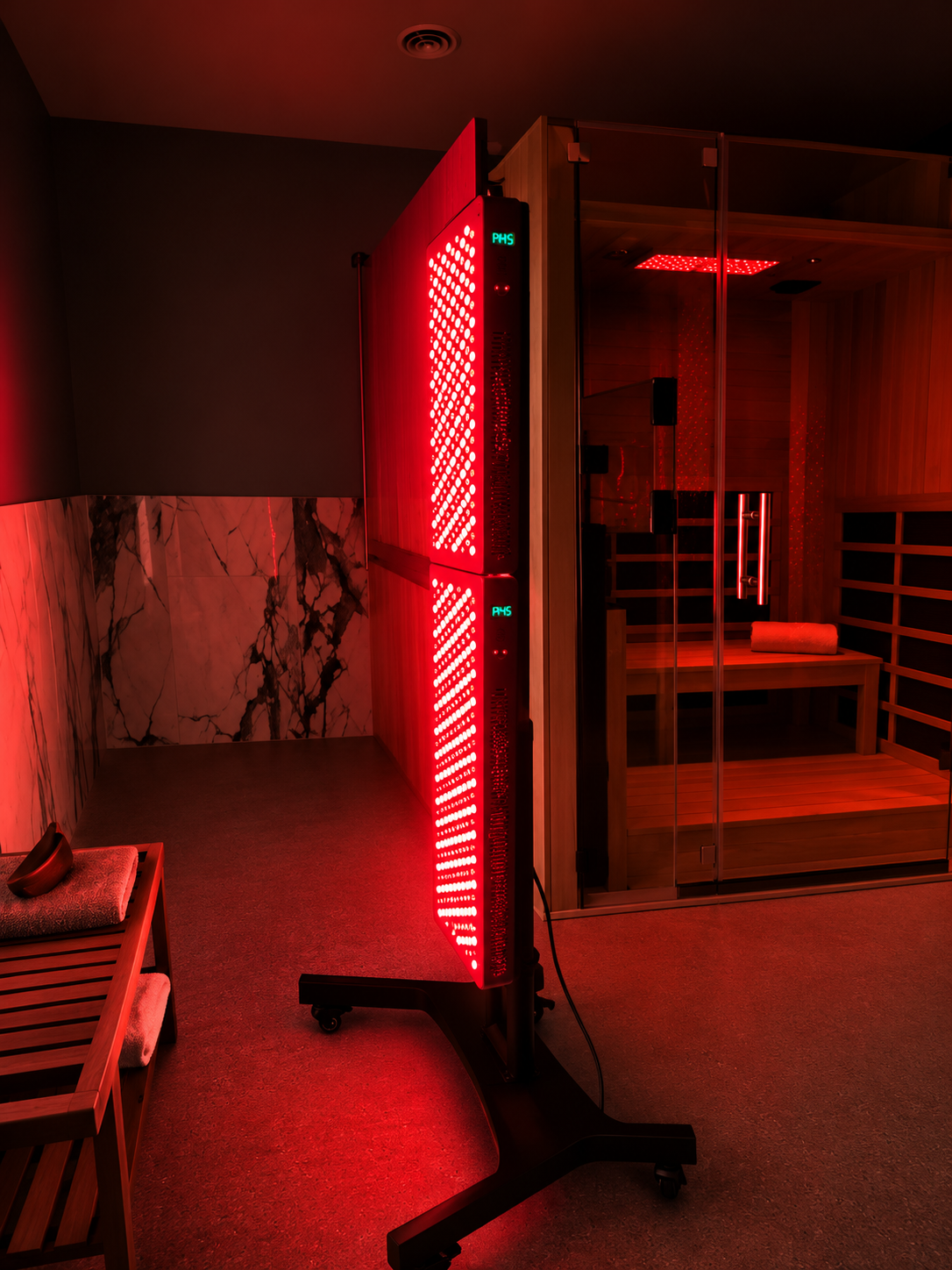
At Float G.O.A.T.S. Recovery Club in Bridgeville, PA, our full-body red light therapy sessions are designed to make modern recovery approachable. You simply stand in front of a professional red light therapy panel while specific wavelengths of light reach the surface of your skin.
But what exactly does red light therapy do? Here is what you should know before your first session.
What Is Red Light Therapy?
Red light therapy is a form of photobiomodulation, sometimes shortened to PBM. It uses specific wavelengths of red and near-infrared light to interact with cells and support normal biological processes.
Unlike ultraviolet light, red light therapy does not tan the skin and is not intended to damage or remove tissue. It also does not heat the body in the same way as an infrared sauna.
Instead, the light is absorbed by light-sensitive structures within the body’s cells. Researchers believe this interaction may influence cellular energy production, circulation and the body’s natural recovery response.
The experience itself is straightforward: no water, no needles and no strenuous movement. You stand comfortably in front of the panel, wear the recommended eye protection and let the light do the work.
What Are the Potential Benefits of Red Light Therapy?
People add red light therapy to their routines for different reasons. Some are focused on workout recovery, while others are interested in skin health, circulation or overall wellness.
Research into photobiomodulation is continuing, and results can vary depending on the wavelength, treatment time, equipment and individual. Current research suggests several promising areas.
1. Muscle Recovery Support
After exercise, your body needs time and resources to repair stressed muscle tissue. Red and near-infrared light are being studied for their potential to support muscle performance and post-exercise recovery.
A 2024 analysis of randomized controlled trials found that photobiomodulation may help with muscle endurance and the recovery of muscle strength in certain groups. The researchers also noted that responses differed according to activity level, which is one reason red light therapy should be viewed as a supportive recovery tool rather than an instant cure.
Red light therapy may be a convenient addition for:
-
Strength-training enthusiasts
-
Runners and cyclists
-
Recreational athletes
-
People with physically demanding jobs
-
Anyone trying to remain consistent with an active lifestyle
It does not replace rest, hydration, nutrition or professional treatment for an injury. It can, however, become one part of a more complete recovery routine.
2. Skin Wellness and Healthy-Looking Skin
Red light therapy has become popular in the skincare world because red wavelengths can reach structures below the outermost surface of the skin.
Clinical research has explored how LED-based therapy may affect skin biology, inflammation, collagen-related processes and wound healing. While results depend on the condition and treatment protocol, researchers have described red light therapy as a promising noninvasive option within dermatology.
For everyday wellness users, regular sessions may help support:
-
A refreshed skin appearance
-
Normal collagen-related processes
-
More even-looking skin
-
The body’s natural skin-repair functions
Red light therapy is not a substitute for medical dermatology care, sunscreen or treatment for a concerning skin lesion.
3. Circulation and Cellular Wellness
One of the proposed effects of photobiomodulation is support for normal cellular energy production. Cells require energy to perform nearly every repair, maintenance and communication process in the body.
Red and near-infrared light may also temporarily influence local blood flow and circulation. This is part of the reason people often incorporate red light sessions into a broader wellness or recovery routine.
You may not feel a dramatic physical sensation during the session. That does not mean nothing is happening. Red light therapy is generally a quiet, low-intensity experience rather than the immediate rush associated with a cold plunge.
4. Joint and Everyday Recovery Support
People dealing with exercise-related stiffness or everyday wear and tear often look for gentle recovery options that do not place additional demands on the body.
Red light therapy is being studied for a variety of musculoskeletal applications. The evidence is not identical for every type of pain or condition, and red light therapy should never be presented as a guaranteed treatment for arthritis, an injury or a medical disorder.
However, its noninvasive nature makes it an appealing wellness option for people who want to support their existing recovery habits.
Anyone with persistent pain, significant swelling or a known injury should speak with a qualified healthcare professional rather than relying on wellness services alone.
What Does a Red Light Therapy Session Feel Like?
A session is simple and comfortable.
You will stand in front of a full-body red light panel with the treatment area exposed as appropriate. The panel produces a bright red glow and may create a mild feeling of warmth, but it should not feel intensely hot.
During your session, you can:
-
Stand comfortably and breathe normally
-
Relax without strenuous movement
-
Use the provided or recommended eye protection
-
Allow the light to reach the intended areas without heavy clothing blocking it
Red light therapy does not involve sweating, submersion or cold exposure. Because sessions are brief, it can fit conveniently into a lunch break, post-workout routine or busy day.
How Often Should You Use Red Light Therapy?
Consistency is generally more important than trying one unusually long session.
There is no universal schedule that is ideal for every person. Treatment frequency depends on your goals, the equipment being used, your health history and how your body responds.
Some people use red light therapy several times per week as part of a consistent wellness routine. Others combine occasional sessions with float therapy, infrared sauna or contrast therapy.
The best approach is to begin conservatively, follow the session guidelines and evaluate how you feel over time. More exposure is not automatically better.
Red Light Therapy vs. Infrared Sauna
Red light therapy and infrared sauna are sometimes confused because both involve forms of light energy. However, the experiences and primary purposes are different.
Red Light Therapy
Red light therapy uses targeted red and near-infrared wavelengths. Sessions are brief, involve little to no sweating and are generally focused on cellular wellness, skin support and recovery.
Infrared Sauna
An infrared sauna uses infrared energy to warm the body and create a deep, relaxing sweat. Sauna sessions are commonly used for relaxation, circulation support and post-workout recovery.
You do not necessarily need to choose only one. Red light therapy and infrared sauna can complement each other because they offer different recovery experiences.
At Float G.O.A.T.S., our team can help you choose a service based on how you want to feel that day.
Red Light Therapy vs. Float Therapy
Float therapy provides an entirely different kind of reset.
During a float session, you rest effortlessly in warm water containing more than 1,000 pounds of Epsom salt. The quiet, low-stimulation environment allows the body and nervous system to slow down.
Choose red light therapy when you want:
-
A fast, convenient wellness session
-
Muscle recovery support
-
Skin and cellular wellness support
-
An easy addition to another service
Choose float therapy when you want:
-
Deep mental and physical relaxation
-
Time away from noise and stimulation
-
Full-body weightlessness
-
Stress relief and support for better sleep
Both services can play a role in a balanced recovery routine.
Can You Combine Red Light Therapy With Other Recovery Services?
Yes. One of the biggest advantages of visiting a recovery club is the ability to choose different experiences based on your goals.
Popular combinations may include:
Red Light Therapy + Float Therapy
Use red light therapy as a quick physical wellness session, followed by a float for deep relaxation and nervous-system recovery.
Red Light Therapy + Infrared Sauna
Combine targeted light exposure with the warmth and relaxation of a private infrared sauna session.
Red Light Therapy + Cold Plunge
Pair a calm red light session with the alert, invigorating sensation of controlled cold immersion.
Red Light Therapy + Contrast Therapy
Add red light therapy to a sauna-and-cold-plunge routine for a more complete recovery visit.
You do not need to combine everything in one appointment. A sustainable routine should fit your body, schedule and comfort level.
Is Red Light Therapy Safe?
Red light therapy is generally considered noninvasive and well tolerated when appropriate equipment and exposure guidelines are used. A 2025 evidence-based expert consensus described photobiomodulation as a safe treatment modality for adults and reported that red light photobiomodulation does not induce DNA damage.
However, not every device or protocol is identical.
Speak with your healthcare provider before beginning red light therapy if you:
-
Take medication that increases sensitivity to light
-
Have an active or recently treated medical condition
-
Have a history of unusual reactions to light
-
Are pregnant
-
Have an eye condition
-
Have a suspicious or untreated skin lesion
-
Are recovering from a recent procedure or surgery
Red light therapy is a wellness service and is not intended to diagnose, treat or cure a medical condition.
What Should You Wear?
The light must reach the skin to be absorbed effectively, so clothing should not cover the area you want to expose.
What you wear will depend on your comfort level and the areas you want to target. Athletic clothing, shorts or other minimal and comfortable attire may work well.
Your session takes place in a private environment, allowing you to choose the amount of skin exposure that feels appropriate to you.
Avoid applying products that may increase light sensitivity unless a healthcare professional has confirmed they are safe to use before treatment.
Why Try Red Light Therapy at Float G.O.A.T.S.?
At Float G.O.A.T.S., recovery is designed to feel comfortable—not complicated or intimidating.
Our Bridgeville recovery club brings multiple wellness experiences together in one convenient location, including:
-
Full-body red light therapy
-
Float therapy
-
Infrared sauna
-
Cold plunge
-
Contrast therapy
-
Massage chairs
Whether you are an athlete, a busy professional, a parent or simply someone who wants to feel better, our team can help you create a routine that works for real life.
You do not need to be a wellness expert. You only need to choose how you want to feel.
Experience Red Light Therapy in Bridgeville, PA
Red light therapy provides a quick, comfortable way to prioritize recovery, skin wellness and overall self-care.
Visit Float G.O.A.T.S. Recovery Club at 1155 Washington Pike in Bridgeville, conveniently located near Pittsburgh’s South Hills communities and just off I-79.
Give your body a few focused minutes to recover, recharge and keep going.
Book your red light therapy session today.
This article is intended for general educational purposes and is not medical advice. Individual results vary. Speak with a qualified healthcare provider about medical conditions, medications, injuries or concerns before beginning a new wellness service.